Considering UK summer camps for your child? This article highlights the most common questions parents ask, drawing on the collective wisdom shared during a recent Education Advisers webinar to provide helpful answers.


Interest in UK summer camps continues to grow as families seek enriching academic experiences that combine learning, independence and cultural discovery. Yet alongside the excitement comes uncertainty. Parents naturally have many questions before committing to a summer programme abroad. Mary Banks-Murayama of Education Advisers, Caroline Marshall of Academic Summer and Pearly Sze of Immerse Education help to bring clarity.
UK summer camps explained
What exactly are UK summer camps?
At their core, UK summer camps are structured educational programmes held during July and August, usually hosted at prestigious boarding schools or university campuses. They combine academic tuition with sports, cultural excursions and social activities. Students live on campus in supervised accommodation, following a timetable that balances study with recreation. The aim is not only academic improvement but also personal development, confidence building and international friendship.
Are UK summer schools only for international students?
Historically, many UK summer schools focused primarily on international students improving their English. However, this landscape has evolved significantly. The webinar panel explained that an increasing number of programmes now welcome British students and native English speakers who are seeking academic enrichment, subject exploration or preparation for future examinations. Today’s UK summer schools cater to a far broader audience than ever before.
What ages can attend?
Most UK summer schools welcome students between the ages of 7 and 17, although certain specialist academic programmes may extend to 18-year-olds. Some providers also offer family courses or tailored options for younger learners. Age groupings are carefully structured so that students mix with peers at a similar stage of development.
How long do programmes last?
Two weeks remains the most common duration for UK summer schools, though one-week options are sometimes available. Many providers also allow students to stay for four weeks or longer, and some teenagers choose to combine two different courses, for example academic study followed by work experience. This flexibility allows families to tailor the experience to individual goals and budgets.
What types of programmes are available?
The webinar highlighted four broad categories of UK summer schools. The first is English plus activities, which combines classroom learning with a rich programme of sports and excursions. The second is academic subject camps covering areas such as Medicine, Engineering, Business or Creative Writing. The third includes specialist sports camps for students passionate about a particular discipline. The fourth comprises university preparation or career pathway programmes aimed at older teenagers considering competitive higher education routes. The range ensures that there is something suitable for nearly every interest.
How much English tuition do students receive?
In traditional English plus programmes, students typically receive between nine and fifteen hours of classroom tuition per week. In academic-focused summer schools, English is often integrated into subject teaching. Rather than separate grammar lessons, students learn English through studying Science, Economics or the Arts. This integrated approach mirrors real academic environments and builds confidence in using language in meaningful contexts.
Will my child be placed in the right class?
Placement testing is standard practice at reputable UK summer schools. Students complete an assessment on arrival to ensure they are grouped according to ability. This avoids frustration and ensures appropriate challenge. According to the webinar panel, accurate placement is one of the most important elements in creating a positive academic experience.
Where do students stay?
Accommodation is usually residential, within boarding houses on campus. Rooms may be single, twin or shared dormitories depending on the venue and age group. Pastoral staff supervise students throughout the day and night. For many teenagers, this is their first experience of living away from home, and the structured boarding environment provides reassurance for both parents and students.
Is it safe?
Safety is understandably the foremost concern for families. Accredited UK summer schools operate under strict safeguarding guidelines. Staff undergo enhanced background checks, and clear procedures are in place for supervision, medical care and emergency response. Students are never left unsupervised during organised activities. The webinar speakers emphasised that parents should always check accreditation and inspection reports when evaluating providers.

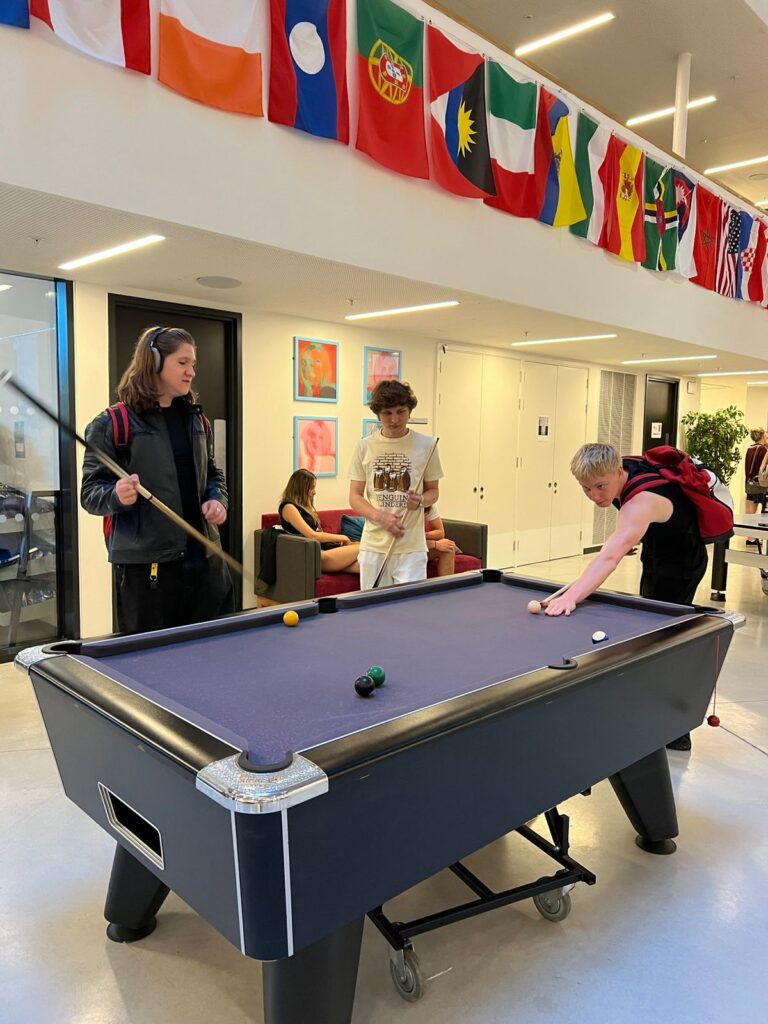

UK summer schools typically provide a mix of learning, touring, fun and adventure where life-long friendships are made.
Who runs the programme?
Some UK summer schools are operated directly by the host school, while others are delivered by specialist summer providers who rent the campus facilities. Both models can offer excellent experiences, but parents are encouraged to research the organisation behind the programme. Experience, leadership quality and academic philosophy matter just as much as the prestige of the venue.
What is included in the cost?
Typically, fees for UK summer schools include tuition, accommodation, meals, excursions, sports activities and evening entertainment. Students usually receive a certificate of attendance and sometimes a written report outlining progress. Flights and airport transfers may be additional. Understanding precisely what is included helps families compare programmes accurately.
How much do UK summer schools cost?
Costs vary widely depending on location and specialisation. General English plus programmes may begin around £1,200 per week, while highly specialised academic courses with small class sizes can approach £4,000 per week. The webinar panel acknowledged that summer schools represent a significant investment, but many parents consider the developmental benefits worthwhile.
What excursions are offered?
Excursions form a central part of the UK summer schools experience. Students may visit London landmarks, Oxford and Cambridge colleges, historic castles, museums or even theme parks. These trips provide cultural immersion and memorable shared experiences.
Will my child make friends?
One of the most powerful aspects of UK summer schools is the international mix of participants. Students live and learn alongside peers from across Europe, Asia and beyond. Friendships formed during these programmes often endure long after the summer ends. Exposure to different cultures also fosters maturity and global awareness.
What if my child is shy or nervous?
Many parents worry that a reserved child may struggle. However, structured group work, team challenges and carefully supported social activities gradually build confidence. When students are placed in the right environment, with supportive staff and engaging subjects, even the quietest learners often surprise themselves.. The consensus is that growth frequently occurs outside familiar comfort zones.
What academic benefits can be expected?
Academic summer programmes can help students prepare for A Levels or the International Baccalaureate, explore potential career paths and develop critical thinking skills. Exposure to seminar-style teaching also introduces learners to university-level discussion. For students considering boarding school in the UK, summer attendance can ease the eventual transition.
Are UK summer schools good preparation for boarding school?
Absolutely. They give students a taste of living away from home, boarding routines, British teaching styles and ndependent study habits.
How many hours of supervision are there?
Students are supervised throughout the day and evening. There are curfews, roll calls and structured schedules to ensure safety and wellbeing.
What happens if a student becomes unwell?
Reputable UK summer schools maintain clear medical procedures. Staff are trained in first aid and liaise with local healthcare providers when necessary. Parents are contacted promptly if there are concerns. Knowing these systems are in place provides reassurance.
How should parents choose the right programme?
The webinar speakers advised families to begin with the child’s interests and objectives. Is the aim to improve English fluency, explore Medicine, prepare for boarding school or simply gain independence? Considering age, academic readiness, location preference and budget will narrow the options. Consulting experienced advisers can also clarify choices.
What makes the best UK summer schools stand out?
The best UK summer schools offer: strong accreditation, experienced academic leadership, excellent pastoral care (camp managers and counsellors), engaging teaching methods, experienced teachers, clear communication with parents and a balance between education and adventure.
Will my child receive a certificate?
Yes. Students typically receive a certificate of attendance and, in many cases, a written report outlining academic progress and participation.
Do UK summer schools help with university applications?
Some academic and career pathway programmes provide personal statement guidance, interview preparation, insight into competitive subjects like Medicine or Engineering. These can strengthen future university applications.
What if my child has special dietary requirements?
Reputable UK summer schools cater for vegetarian, halal, gluten-free and other dietary needs. Always inform the provider in advance.
Is there free time?
Yes. Although schedules are structured, students usually have supervised free time for socialising, relaxing or sports.
Can siblings attend together?
Often yes, provided they meet the age requirements. They may be placed in different academic groups depending on age and ability.
Will my child improve their English?
Yes, especially in immersive environments where English is used throughout lessons, activities and social interaction.
Can students combine different courses?
Some providers allow students to switch courses after two weeks, for example combining academic study with sports or work experience.
Are UK summer schools worth it?
This final question inevitably arises. While no programme can guarantee transformation, many families report significant positive impact. Students often return home more confident, articulate and motivated. They gain independence, broaden their horizons and sometimes discover new ambitions. In a world increasingly defined by global interaction, such experiences can prove invaluable.
The growing popularity of UK summer schools reflects a broader desire among families for education that extends beyond textbooks. As highlighted throughout the Education Advisers webinar, the strongest programmes balance academic rigour with enjoyment, structure with freedom and challenge with care. For parents weighing their options, asking informed questions is the first step. Drawing on the collective wisdom shared by industry leaders, it becomes clear that when carefully chosen, UK summer schools can offer far more than a seasonal activity. They can provide a formative chapter in a young person’s educational journey.
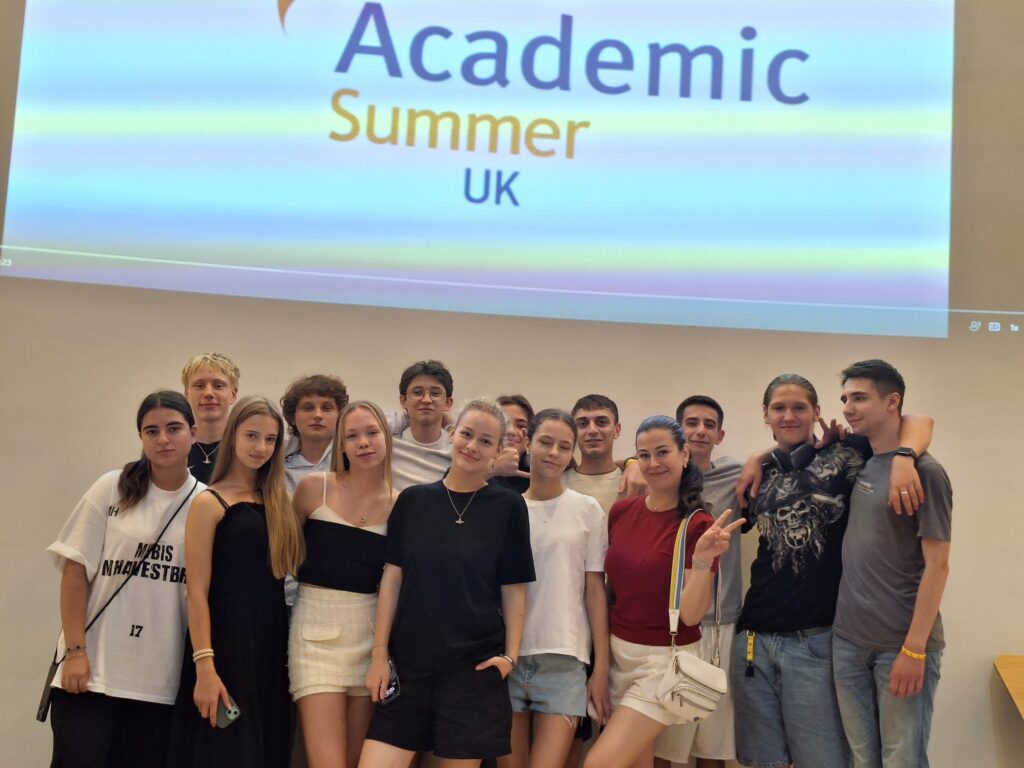

Why would parents choose Academic Summer Camps?
For answers for more questions, specifically in relation to Academic Summer Camps, see Q&A with Caroline Marshall
According to Caroline, Academic Summer is widely recognised for meeting and exceeding best practice standards within UK summer schools, combining strong safeguarding procedures, accredited academic frameworks and experienced leadership. The company’s distinctive use of the CLIL methodology ensures that students develop subject knowledge and English fluency simultaneously, reflecting the highest expectations of modern international education.
In addition, the recent integration of Living Learning English adds a valuable one-to-one total immersion component, allowing families to choose bespoke homestay or online tuition alongside residential summer camps. This expanded offering means students can benefit from both dynamic group learning and personalised academic support throughout the year. Also see: What makes Academic Summer different from other UK camps?

The Clever Fox Journal is the online news section of Academic Summer Camps, inspired by our logo – a wise fox wearing a graduation cap. Just like our summer programmes, The Clever Fox Journal is a place of curiosity, learning and discovery, bringing you the latest updates, insights and stories from our academic camps in the UK and Canada. Stay informed, stay inspired – and think like a clever fox!